


Insights. Expertise. Innovation.

Unlocking Hidden Value: A Strategic Guide to Middle-Market Office Retrofits
This report posits that the conventional wisdom favoring iconic structures or premier locations for office retrofits overlooks a significant and increasingly lucrative opportunity: the middle-market building segment. Far from being marginal, non-trophy office buildings (Class A, B, and C) represent a vast, often undervalued, asset class ripe for strategic transformation.
Through detailed economic justification, compelling case studies, and a pragmatic roadmap for budget-conscious implementation, this analysis demonstrates that retrofitting these assets yields substantial returns, enhances market competitiveness, ensures regulatory compliance, and contributes meaningfully to sustainability goals. The report provides actionable insights for property owners and investors to unlock hidden value, navigate complexities, and secure a resilient future for their middle-market portfolios.
The post-pandemic market has created a distinct bifurcation, where top-tier trophy assets command exorbitant premiums while Class A, B, and C buildings, particularly in the middle-market segment, offer significant concessions.1 This dynamic presents a unique window for value creation through strategic retrofits in non-trophy buildings.
While trophy properties may boast higher face rents, the substantial tenant improvement allowances and months of free rent offered in non-trophy Class A and B buildings can effectively narrow, or even eliminate, the perceived cost advantage of premier locations.1 This means that a well-executed retrofit on a non-trophy building can achieve a competitive tenant experience at a significantly lower effective cost base for the tenant, thereby increasing its market attractiveness and potentially its net operating income.
This directly challenges the premise that iconic structures are the only viable starting point for impactful office retrofits.
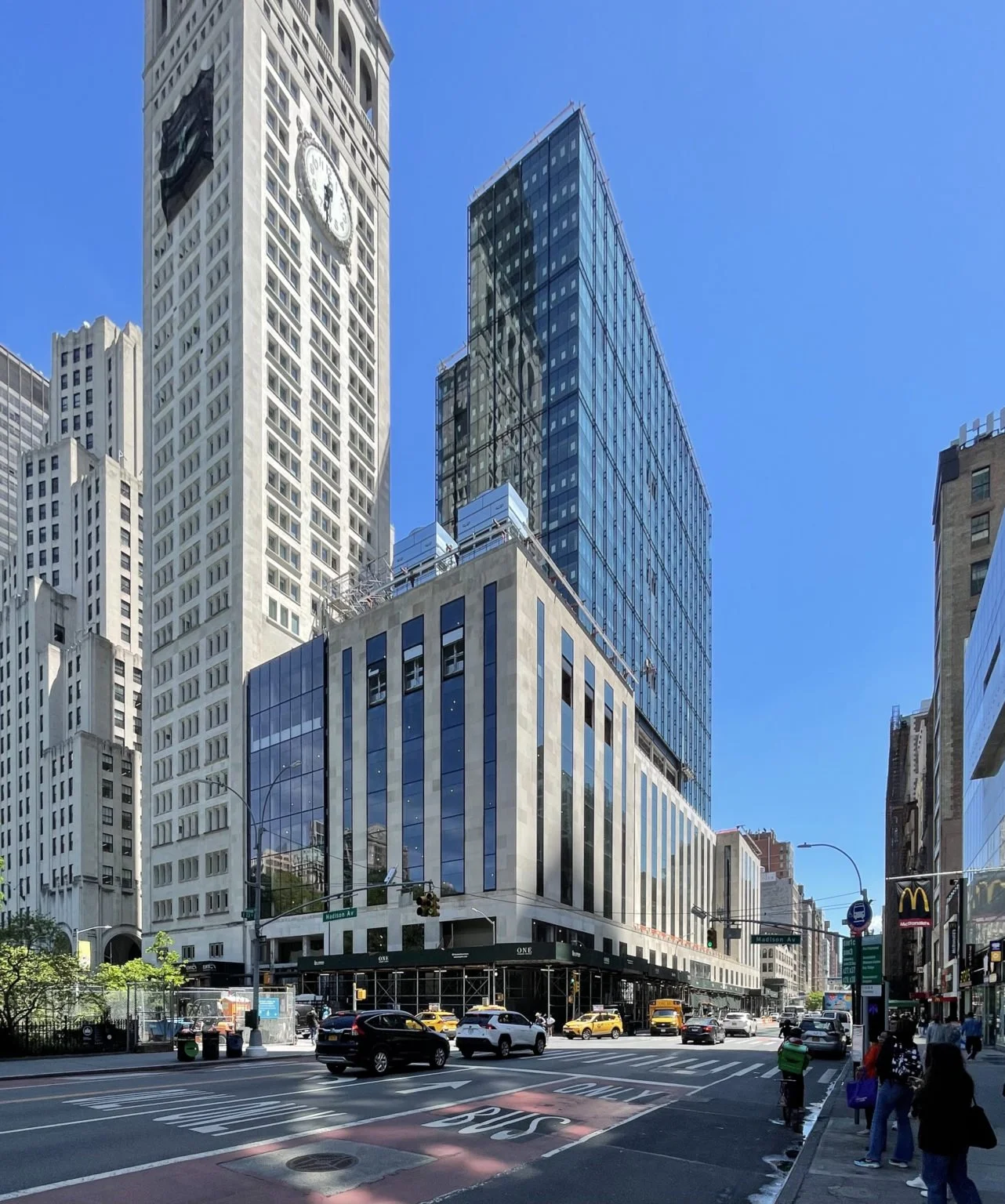
The Strategic Imperative: Unlocking Value and Meeting Class A Demand Through Commercial Office Retrofits (2021-2031)
This report provides a comprehensive analysis of recent (2021-2025) successful commercial office retrofit projects across key U.S. metropolitan areas: Atlanta, San Francisco, Los Angeles, Chicago, and New York. It explicitly excludes office-to-residential or other primary use conversions, focusing solely on the modernization of existing office stock to meet evolving market demands.
The core objective is to demonstrate how strategic retrofits are not merely maintenance exercises but powerful drivers of enhanced occupancy, significant financial gains, and long-term asset value, thereby presenting a compelling argument for their increased pursuit to satisfy the projected demand for Class A space through 2031.
The commercial office market is undergoing a profound transformation, characterized by a pronounced "flight to quality." While overall vacancy rates remain elevated in many urban centers, premium Class A and "Trophy" assets are demonstrating resilience and even growth. This bifurcation underscores a critical market reality: obsolete, undifferentiated office space is struggling, while modernized, experience-centric environments are commanding tenant interest and higher rents.
Successful retrofits are strategically repositioning older assets to capture this premium demand, offering a sustainable and often more cost-effective alternative to new construction. These projects consistently highlight common success factors, including visionary design, advanced energy and smart building technologies, and a deep commitment to tenant experience and well-being. By embracing these strategies, developers and investors can unlock substantial value, mitigate "stranded asset" risks, and proactively address the impending supply gap for high-quality office space.

ESCO Dynamics, Penetration, and Strategic Traction in Commercial Real Estate
The Energy Service Company (ESCO) market is experiencing a period of robust growth, driven by an escalating global commitment to energy efficiency, decarbonization, and the adoption of sustainable power solutions. Valued at USD 33.65 billion globally and USD 4.67 billion in the U.S. in 2024, the market is projected to expand significantly, with global figures expected to reach USD 59.73 billion by 2032 at a Compound Annual Growth Rate (CAGR) of 7.44%.3 This expansion is underpinned by the essential role ESCOs play in reducing operational costs and carbon footprints through customized services, including electricity supply, energy performance contracting, and renewable energy integration.3
Within the commercial real estate sector, ESCO services are gaining substantial traction. Commercial buildings constituted the largest end-user segment in 2024, accounting for 43% of the ESCO market share.3 While a precise fraction of commercial office space is managed by ESCOs is not directly quantifiable from available data, the sector's significant energy footprint and increasing focus on Environmental, Social, and Governance (ESG) goals position it as a critical growth area for ESCOs.3
The competitive landscape is characterized by high concentration, with the top ten major organizations collectively holding 70% of the U.S. ESCO market by revenue. Ameresco, Inc. leads this group with an estimated 16.9% market share.5 This dominance by a few key players underscores the capital intensity, technical expertise, and established client relationships required to succeed in this industry.
Regarding client segments, ESCOs are finding increasing engagement with both large company-owned buildings and Real Estate Investment Trusts (REITs). Historically, ESCOs focused on public and institutional sectors, but a notable shift towards the private commercial sector is evident. REITs, in particular, are poised for significantly increased engagement due to their unique financial structures, preference for off-balance sheet solutions like Energy as a Service (EaaS), and the transformative impact of recent policy incentives, such as the Inflation Reduction Act (IRA), which facilitates the direct monetization of green energy tax credits.6 This alignment of financial and strategic objectives positions ESCOs as indispensable partners in the future of sustainable real estate management.

A Comprehensive Analysis of Historic Building Management on College and University Campuses
At August Berres, we believe that the enduring legacy of a historic building and the promise of a modernized, innovative future are not mutually exclusive. They are two sides of the same coin. This report delves into the intricate challenges and strategic opportunities involved in retrofitting historic buildings on college and university campuses—projects that are essential for preserving heritage while creating spaces equipped for 21st-century learning and work.
The imperative to modernize these structures for today's students, faculty, and administrators often clashes with the limitations of aging electrical systems. This is where modern solutions become critical. Our family of products, including Respond!, Juce, and Campfire, are specifically engineered to address this exact challenge. By leveraging innovative fault-managed power (FMP) technology, we enable the safe and simple deployment of modern electrical infrastructure, supporting the dynamic, flexible environments required for today’s Agile Workplaces. This approach allows facility managers and designers to achieve a technical capability that is "equal or better than new," without compromising the historical integrity of the building.
This report serves as a comprehensive guide for commercial real estate owners, architects, facility managers, and electrical design firms. It provides a deep analysis of the financial, operational, and philanthropic dynamics of these complex projects, showcasing how strategic planning and the right technology can turn daunting retrofits into powerful investments in a university's future.

Ditching Laptop Chargers: The Case for a Mobile Power Strategy in K-12 with the Campfire Solution
In secondary school environments, a dead Chromebook isn't just a nuisance; it's a security risk and a logistical burden. For IT teams, the constant cycle of managing a vast fleet of devices with aging batteries can be a full-time job. Charging carts, once a savior, now feel like a static, inefficient solution that clashes with the dynamic nature of modern education. The "Agile Workplace" isn't just for corporate offices; it’s a framework for building smarter, more responsive learning environments. The August Berres "Campfire" solution offers a compelling example of this philosophy, moving beyond traditional charging methods to address the root of the problem: a fixed power infrastructure.

The Office Energy Transformation: From Pre-Pandemic Practices to 2025's DC-Powered Future
The landscape of office environments is undergoing a profound transformation, driven by an urgent global imperative for sustainability and a fundamental shift in how buildings consume and generate energy. This report details the evolution of office energy retrofit best practices, highlighting the accelerating push towards Direct Current (DC)-powered buildings, a movement underpinned by technological advancements, evolving regulatory frameworks, and a heightened focus on energy efficiency and resilience.

Unplugging the Future: Why Your Monitors Are the Last Cord Standing
For building owners, architects, facility managers, and commercial interior designers, the landscape of workplace technology is constantly evolving. A significant and welcome shift is the move towards universal charging standards and, more importantly, devices that are designed for unparalleled energy efficiency. The recent launch of Microsoft's Surface Laptop (7th Generation) and Surface Pro (11th Generation) are prime examples of this trend, echoing a similar philosophy championed by Apple for years.
Gone are the days when a new laptop meant another proprietary power brick to manage. Microsoft, with its latest Surface offerings, has firmly embraced USB-C charging. This isn't just about convenience; it's a strategic move that fundamentally alters how we think about power infrastructure in commercial real estate, especially for innovative solutions like our battery-powered Agile Workplace furniture.
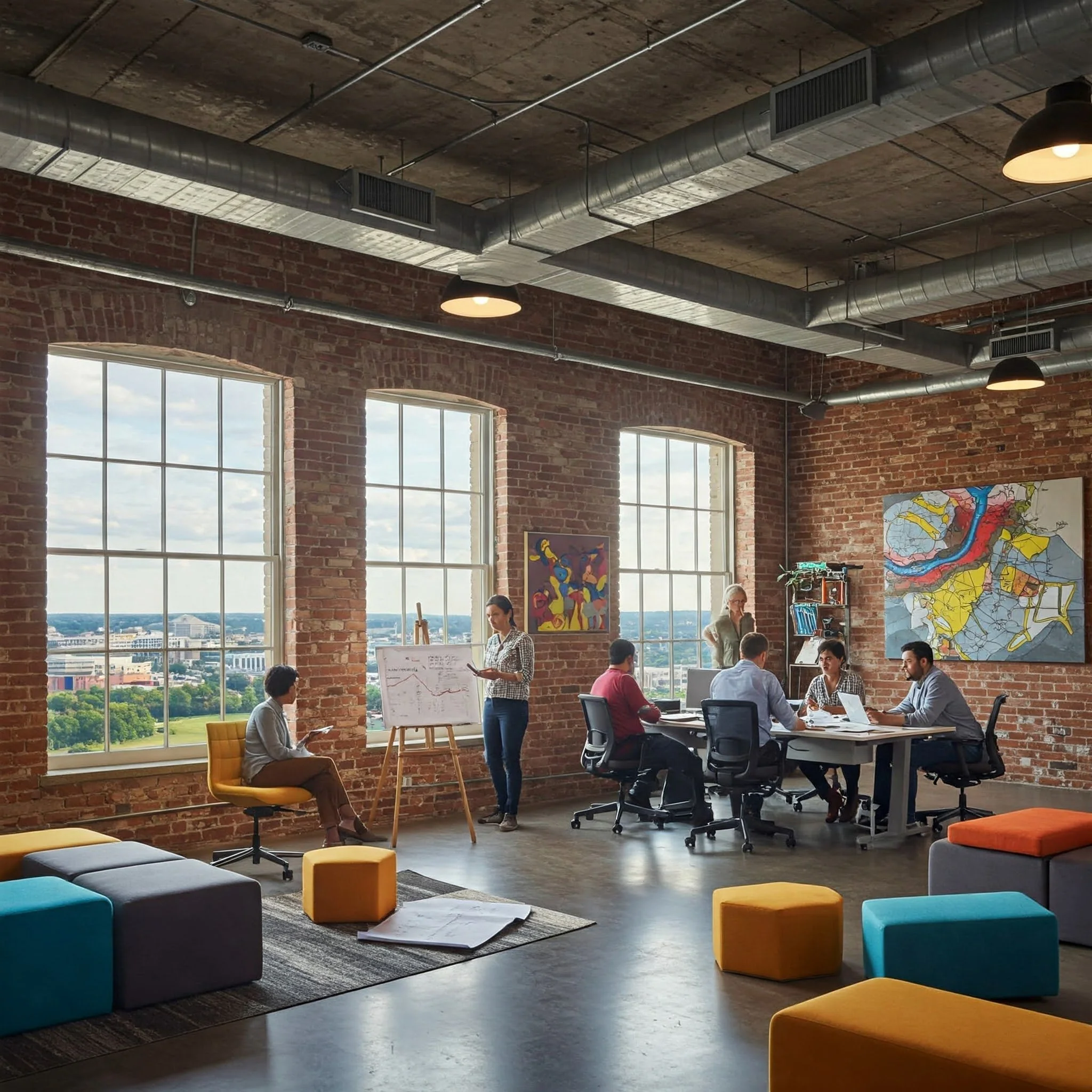
Shattering the Blueprint: The Radical Reinvention of Building Retrofits After 2020
The principles guiding the retrofitting of older buildings have undergone a fundamental and likely permanent transformation. The pre-pandemic paradigm, a disciplined but narrow pursuit of cost reduction through energy efficiency and compliance with preservation mandates, has been supplanted by a far more complex and holistic strategy. In the post-pandemic world, the drivers for retrofitting are now centered on creating tangible value through occupant health, ensuring operational resilience against a new spectrum of threats, and adapting to profound shifts in market demand for flexibility. This report analyzes this paradigm shift, detailing how the convergence of public health crises, technological innovation, and evolving work dynamics has created a new, integrated approach to modernizing the existing building stock.

Future-Proofing Federal Facilities: Designing Hybrid Workplaces for Government Efficiency and Employee Well-being
The traditional "one employee, one desk" model is becoming obsolete in the government sector, as reflected in OMB guidelines. The focus is shifting to utilization-based space planning, recognizing that not all employees are in the office every day.
What NOT to do. “One Employee, One Desk” simply doesn’t work in hybrid workplaces.
While union contracts have historically influenced workplace policies, they are increasingly becoming partners in shaping modern work. Many public sector unions recognize the benefits of flexible arrangements for their members' work-life balance and overall well-being. Successful transitions involve:
Proactive Engagement: Involving unions and employees early in the planning process fosters collaboration and addresses concerns transparently.
Data-Driven Decisions: Using real-time occupancy data and employee feedback to inform space design and policy changes.
Collaborative Policy Development: Working together to craft agreements that support both the agency's mission and employee needs.
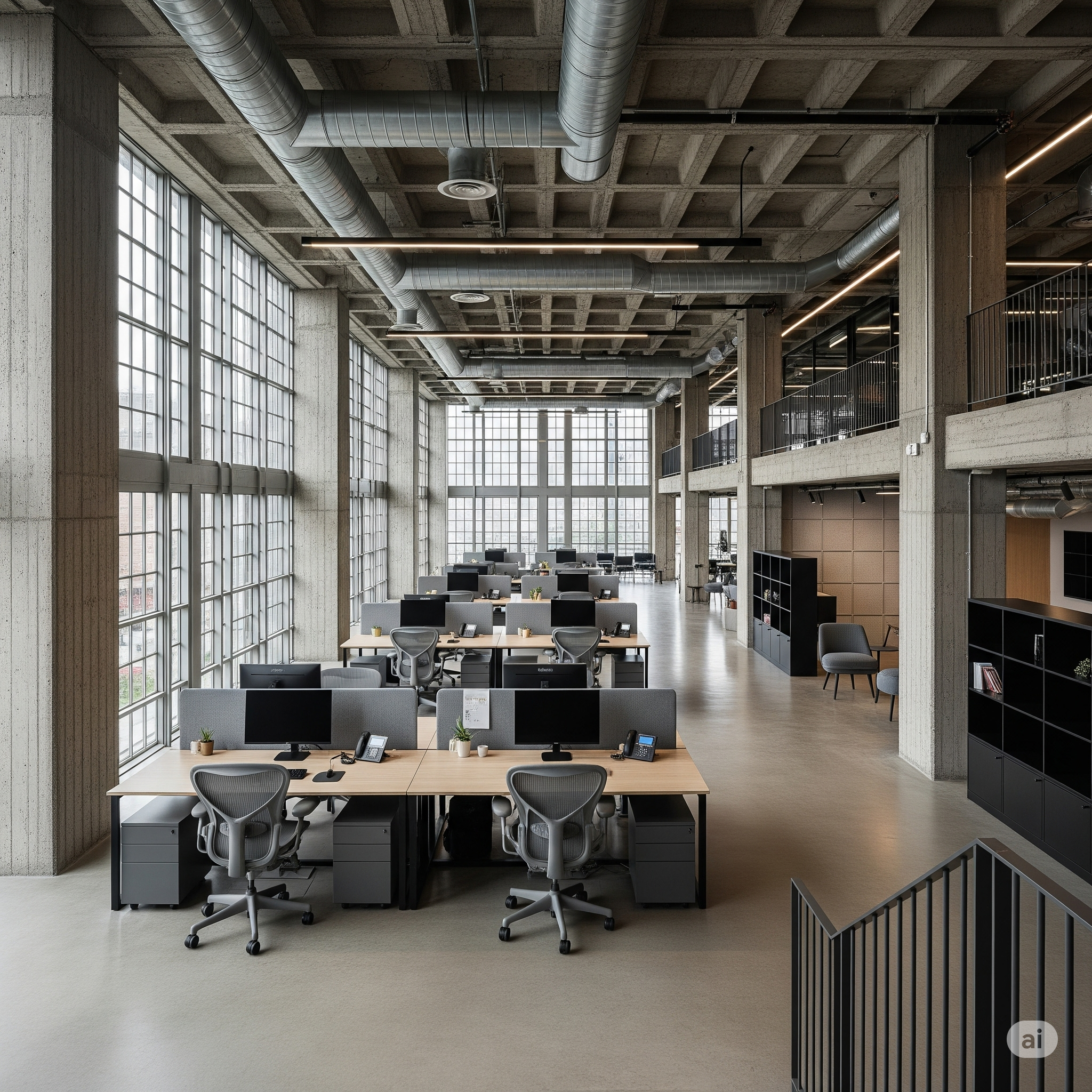
The Billion-Dollar Question: A Financial Deep Dive into the Forrestal Retrofit
A bold vision for architecture and technology is one thing, but for sophisticated investors, it all comes down to one question: Does the math work?
For a project as ambitious as our proposed retrofit of the Forrestal Building, the numbers have to be as compelling as the design. In this final deep dive, we’re moving from vision to valuation. We’ll pull back the curtain on the high-level financial model that underpins this entire project, exploring the costs, the potential returns, and the strategic decisions required to turn this federal relic into a highly profitable asset.
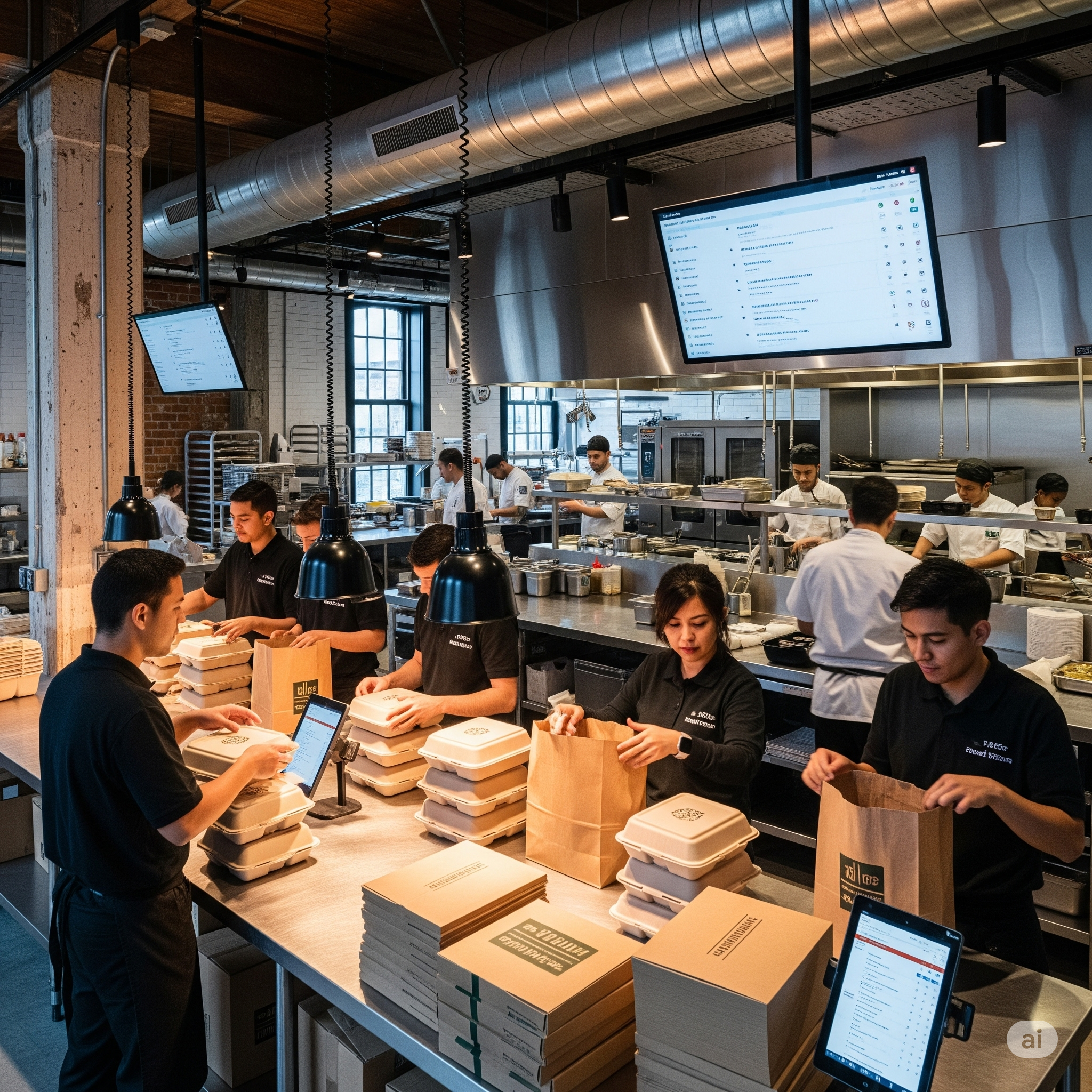
The X-Factor: Amenities That Build a Thriving, Unbeatable Community (Part 4 of 4)
a truly great workplace thinks beyond the desk. The most forward-thinking companies understand that to attract and retain top talent in a hybrid world, they must support the whole person. This is where a strategic amenity package moves from a "nice-to-have" to a powerful competitive advantage. It's the final step in transforming the office from a place of work into a hub for community, well-being, and a better life.

The Human Element: Designing for Peak Productivity, a Competitive Edge (Part 3 of 4)
For decades, building owners focused primarily on the physical asset—the "hard services" of maintenance and operations. But a fundamental shift is underway, driven by the war for talent and the rise of hybrid work, which has created a new challenge for employers: making the office a compelling destination worth the commute.